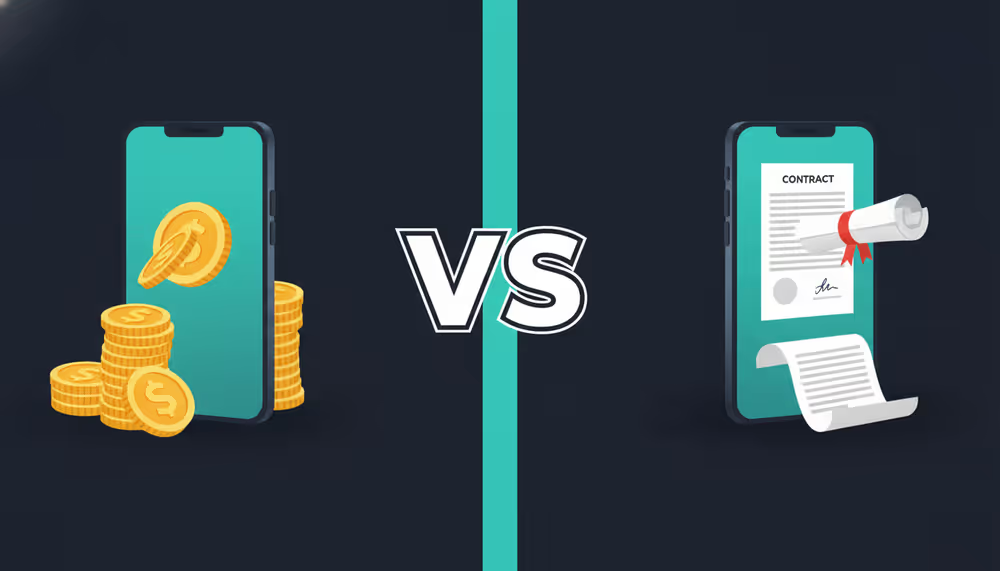
Choosing a mobile plan comes down to one fundamental question: do you pay before or after you use your service? The answer shapes your monthly bill, your flexibility, and whether you ever get hit with surprise charges.
Key Takeaways
- Postpaid plans bill you after each monthly service period and typically require a credit check, while prepaid plans require payment upfront with no credit check and no contract.
- Prepaid plans cost significantly less, with single-line unlimited plans running $25 to $50 per month versus $65 to $100 or more for postpaid.1
- The savings gap translates to $180 to $480 per year on a comparable unlimited plan, just by switching from postpaid to prepaid.2
- Postpaid plans still hold an edge for device financing, bundled streaming subscriptions, and robust international roaming.
- The U.S. prepaid wireless market returned to growth in Q1 2025 for the first time since Q3 2022, reflecting a broad shift in how Americans think about mobile phone plans.
What Is the Key Difference Between Prepaid and Postpaid?
The single biggest distinction is timing. With a postpaid phone plan, you use your service throughout the billing cycle and receive a bill at the end of the month. With a prepaid phone plan, you pay upfront before your service period begins.
That one structural difference drives nearly every other distinction: credit checks, contracts, pricing, perks, and cost control all flow from when you pay.
How Postpaid Cell Phone Plans Work
Postpaid mobile plans are the traditional model most people recognize from major carriers like AT&T, Verizon, and T-Mobile. You sign up, pass a credit check, and start using service immediately. Your monthly bill arrives after the fact and typically includes your plan fee, device financing payments if applicable, taxes, and any add-on charges.
Postpaid plans often bundle in extras like streaming subscriptions, international roaming packages, and upgrade plans that let you trade in your phone annually. These perks add real value for some users, though they also add to the monthly cost.
How Prepaid Mobile Plans Work
A prepaid phone plan means you pay for your service period before it begins, usually in 30-day increments. You choose your plan, pay, and your service activates immediately. There’s no credit check, no contract, and no monthly bill to stress over.
Because you’re paying upfront, carriers have no financial risk to offset with a credit check. This is why prepaid service is genuinely available to everyone, including people with no credit history, damaged credit, or simply a preference to stay off carrier radar.
Key Differences: A Side-by-Side Look
| Feature | Prepaid | Postpaid |
|---|---|---|
| Credit check | No | Yes |
| Payment timing | Before service | After service |
| Contracts | None | Often 24 months |
| Device financing | Rarely | Common |
| Monthly cost | $25-$50 | $65-$100+ |
| Early termination fees | None | Common |
| Bundled services | Limited | Frequently included |
| International roaming | Basic | More robust |
| Network priority | Sometimes lower | Generally highest |
Mobile Plan Costs: How the Numbers Stack Up
The average phone bill for one person runs $25 to $60 per month for prepaid and $70 to $100 for postpaid. That gap is substantial when you project it across a full year.
Postpaid unlimited plans from major carriers run $65 to $100 per month. That’s $15 to $40 more than many prepaid alternatives, which adds up to $180 to $480 per year.
For most people using an unlimited plan, the network experience is nearly identical. The extra cost on postpaid is largely funding device subsidies, retail infrastructure, and streaming perks, not better coverage.
What Unlimited Plans Actually Include
The term “unlimited” shows up on both sides of the aisle, but it doesn’t mean the same thing across all mobile phone plans.
Most unlimited plans, both prepaid and postpaid, include a defined amount of premium data before speeds may be reduced during network congestion. Postpaid plans tend to offer higher premium data thresholds and faster hotspot data. Prepaid plans often offer plenty of data for everyday users at a meaningfully lower price.
Vouch Mobile’s Elite plan includes unlimited talk, text, and data with 20GB of hotspot on AT&T’s network, starting at $35/month with annual billing. That’s talk, text, and data built for real daily use without the postpaid price tag.
The Credit Check Question: Who Gets Approved?
One of the most significant practical differences between postpaid and prepaid is the credit check. Postpaid cell phone plans require one because the carrier extends service before collecting payment. That’s financial risk, and carriers offset it by screening applicants.
Prepaid plans flip that model entirely. Since you pay before using service, there’s no risk to the carrier. No credit check needed. No soft pull, no hard pull, no deposit.
This matters enormously for students building credit for the first time, new Americans without a U.S. credit history, anyone recovering from financial hardship, and gig workers whose income doesn’t fit traditional credit scoring. Learn more in our guide to no-credit-check phone plans.
Own Phone vs. New Phone: Device Financing Explained
Phone financing is one area where postpaid plans still hold a real advantage. Major carriers offer device financing that lets you spread a $1,000-plus phone across 24 to 36 monthly payments. On the surface, this makes flagship devices accessible without a large upfront cost.
The trade-off is real, though. Phone financing locks you to a carrier until the device is paid off. Early termination fees or device buyout requirements make switching carriers expensive. You’re essentially committing your mobile service to a payment plan.
Prepaid plans usually require you to own your phone outright or purchase one separately. The upside: you’re free to switch carriers anytime, and over the life of the phone, you often spend less overall. For tips on getting your phone ready for a prepaid plan, see our guide on how to unlock your phone.
Family Plans: Comparing Prepaid and Postpaid Options
Postpaid carriers have traditionally led on family plan discounts. Multi-line discounts on postpaid can bring per-line costs down to $35 to $40 when you’re adding three or more lines.
Prepaid mobile plans have narrowed that gap considerably, though. Many MVNOs and prepaid carriers now offer meaningful multi-line discounts. When you stack prepaid’s lower base price with family plan pricing, the total can still undercut postpaid substantially.
For families who don’t need device financing or premium streaming bundles, prepaid family plans are worth a close look. Vouch Mobile’s family phone plan alternatives guide breaks down the numbers for multi-line households.
Bundled Services and Postpaid Perks: Are They Worth It?
Postpaid plans frequently bundle streaming subscriptions like Netflix, Hulu, or Apple TV+ as a selling point. Free subscriptions sound compelling, but it’s worth doing the math.
If you’re already paying for those streaming services separately, a bundle could represent genuine savings. If you’re not using them, you’re paying a higher monthly bill for perks you don’t need. Postpaid perks tend to benefit heavy users who actively use every included feature and pay full price for streaming services otherwise.
Budget-conscious consumers are often better served by a lower-cost prepaid plan and the freedom to subscribe to only the streaming services they actually use.
Data Speeds and Network Priority: What Prepaid Users Should Know
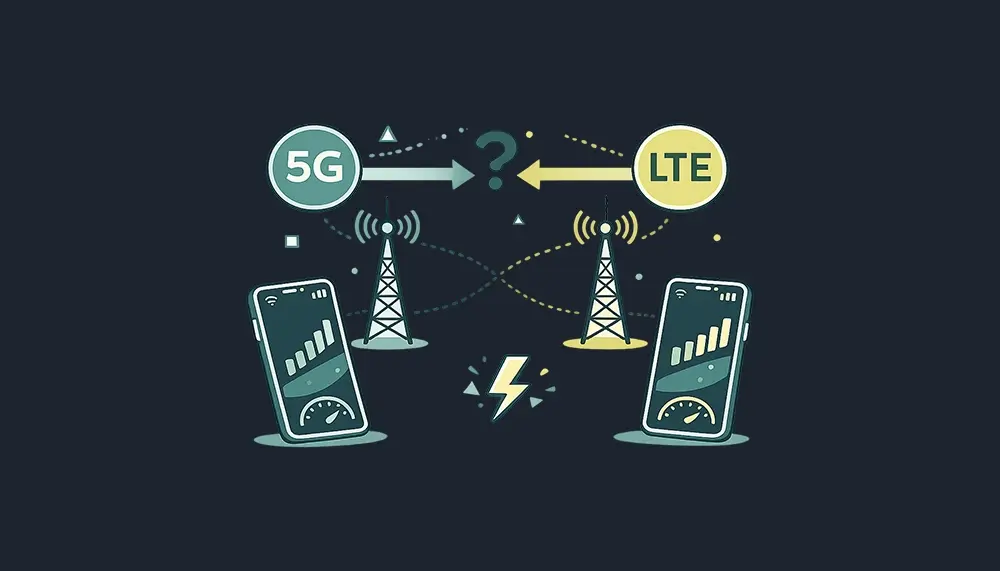
Postpaid customers generally receive higher data priority during network congestion. When a cell tower is busy, the carrier’s postpaid subscribers get served first. Prepaid customers may see temporarily reduced speeds.
In practical terms, most prepaid users never notice this difference. It becomes relevant in dense, congested environments like stadiums or major events.
The more important factor is which network your prepaid plan runs on. Vouch Mobile runs on AT&T’s full nationwide 5G network, covering 97% of the U.S. population. Check your coverage to see how AT&T’s network performs in your area.
How MVNOs Changed the Prepaid Game
Consumer trends in the U.S. show a growing preference for affordable prepaid plans, especially among younger consumers, while postpaid plans remain popular with older users.
Much of this shift is driven by MVNOs, or Mobile Virtual Network Operators. An MVNO is a carrier that leases network capacity from a major carrier instead of building its own towers. This means lower infrastructure costs, which translate into lower prices for customers on the exact same network.
Vouch Mobile is an MVNO that runs on AT&T’s network through Reach Mobile. Customers get AT&T’s full nationwide 5G coverage at a fraction of what AT&T charges retail. No owned towers means no tower overhead baked into your monthly bill.
Cost Control and Budget-Conscious Users: Prepaid Plans Tend to Win
For budget-conscious users, the math almost always favors prepaid. There are no surprise bills, no overage charges, and no early termination fees. You pay a fixed amount each month and know exactly what you’ll spend on mobile service all year.
Postpaid plans introduce several vectors for unexpected costs: overage charges on data caps, device financing interest, add-ons that accumulate over time, and termination fees if you leave before a device is paid off. The advertised monthly price rarely reflects the actual monthly bill.
Prepaid plans tend to include taxes in their listed price. With Vouch Mobile, $25/month with annual billing means $25. No activation fees. No line access fees. No bill shock on your first statement.
Who Should Choose a Prepaid Phone Plan?
Prepaid mobile plans are the smart call if you:
- Already own an unlocked phone
- Want predictable monthly costs with no surprise bills
- Don’t need device financing for a new phone
- Have limited or no U.S. credit history
- Prefer month-to-month flexibility with no early termination fees
- Don’t heavily rely on bundled streaming services
- Travel primarily within the U.S.
The gig worker’s guide to phone plans is a useful read for anyone whose income and schedule call for maximum flexibility.
Who Should Choose a Postpaid Phone Plan?
Postpaid cell phone plans make the most sense if you:
- Need to finance an expensive new phone with low monthly payments
- Regularly travel internationally and need robust roaming
- Actively use bundled streaming subscriptions included in the plan
- Have multiple family lines and can access significant multi-line discounts
- Require the highest possible network data priority at all times
Switching from Postpaid to Prepaid: How It Works
Switching is easier than most people expect. Here’s the process:
- Pay off your device. If you have outstanding phone financing, settle that balance first.
- Unlock your phone. Contact your current carrier and request an unlock. It’s your legal right.3
- Choose your prepaid plan. Compare options based on network, data, and price.
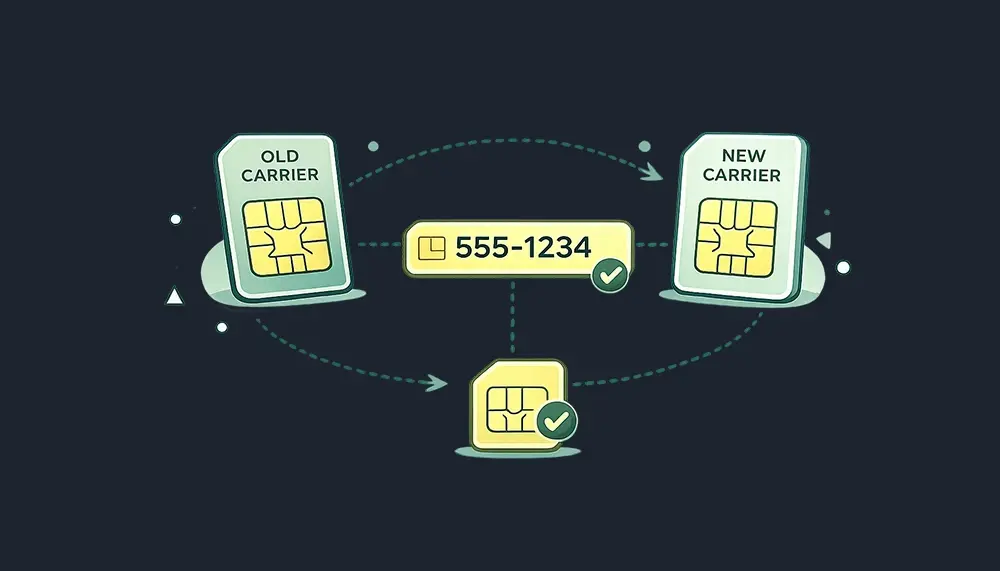
- Port your number. Initiate the number transfer when you activate your new plan.
- Activate via eSIM or physical SIM. With Vouch Mobile, eSIM activation typically takes under five minutes.
For a full walkthrough, see our guide on how to switch phone carriers without losing your number.
The Right Plan for 2026: Making the Call
The old idea that prepaid means second-tier service is gone. The adoption of 5G prepaid services has driven a 40% rise in prepaid data usage, and the adoption of eSIM technology in prepaid plans has increased by 50%. Today’s best prepaid plans offer the same networks, the same 5G speeds, and a significantly lower monthly cost.
For most people, especially those who own their phone and want reliable unlimited service without contracts or credit checks, prepaid is the better choice in 2026. Postpaid retains its edge specifically for device financing, bundled perks, and international roaming.
The right plan is the one that fits your actual usage, not the one with the most marketing behind it.
Conclusion
The core trade-off is simple. Postpaid mobile plans offer device financing, streaming bundles, and premium network priority in exchange for a higher monthly bill, a credit check, and reduced flexibility. Prepaid phone plans offer lower costs, no credit check, no contracts, and complete cost control, with the occasional trade-off on perks and data priority.
For budget-conscious users, gig workers, new Americans, and anyone who simply wants transparent wireless service without the fine print, prepaid delivers everything you need. If saving $480 a year on the same AT&T network sounds like the right move, see Vouch Mobile’s plans and make the switch in minutes.
About Vouch Mobile
Vouch Mobile is a modern wireless provider built for people who want premium coverage without the premium price or complexity.
Powered by the same major U.S. networks as the big carriers, Vouch delivers simple, transparent plans with no hidden fees, no contracts, and a seamless digital experience that lets you switch in minutes and keep your phone and number.
Whether you’re looking to save money or just want a more straightforward way to stay connected, Vouch Mobile makes wireless make sense again. Ready to get started? Pick Your Plan.
Frequently Asked Questions
What is the main difference between prepaid and postpaid plans?
The key difference is payment timing. Prepaid plans require payment before your service period begins, while postpaid plans bill you after the month ends. Prepaid plans require no credit check and no contract, making them more flexible and typically less expensive.
Are prepaid plans really cheaper than postpaid?
Yes, in most cases. Single-line prepaid unlimited plans typically run $25 to $50 per month, while comparable postpaid plans from major carriers run $65 to $100 or more. The difference adds up to hundreds of dollars per year.
Can I keep my number if I switch from postpaid to prepaid?
Yes. Number porting works the same regardless of plan type. When you activate a prepaid plan, initiate the port during signup and your existing number transfers, usually within minutes to a few hours.
Do prepaid phone plans require a credit check?
No. Prepaid plans do not require a credit check because you pay before using service, not after. This makes prepaid accessible to anyone, regardless of credit history.
References
- https://www.calilio.com/blogs/average-cell-phone-bill
- https://www.reviews.org/mobile/prepaid-vs-postpaid-phone-plans/
- https://www.fcc.gov/consumers/guides/porting-keeping-your-phone-number-when-you-change-providers
- https://www.lightreading.com/5g/the-renaissance-of-prepaid-wireless
- https://www.globalgrowthinsights.com/market-reports/prepaid-wireless-service-market-110701
- https://store.mintel.com/report/us-mobile-network-providers-market-report
With annual billing. Prices include taxes and fees. Available while offer lasts. Powered by Reach Mobile on AT&T’s network. Savings comparison based on single-line unlimited plan vs. major carrier postpaid pricing as of Q1 2026.